



Japanese string instrument shamisen
Also known as the "Japanese Sanxian", it is a traditional Japanese string instrument that originated in China and later spread to Japan. Composed of a flat wooden resonance box, a long neck, and three strings. The playing style of shamisen is unique, and performers usually use plectrum to play, producing crisp and pleasant sounds. The shamisen plays an important role in Japanese culture, especially in Kabuki, Bunroku (puppet theater), and traditional Japanese music forms such as "Tokugawa" and "Nagao", where it is an indispensable accompaniment instrument. It is a symbol of Japanese music culture, and shamisen is not only one of the representatives of traditional Japanese crafts.
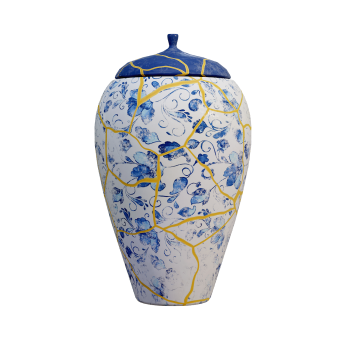
Japanese gold vase
It is a representative of traditional Japanese craftsmanship, which involves re bonding broken ceramic fragments with gold powder or paint to give them new life and beauty. The term 'jinzao' comes from the Japanese word 'jin 継ぎ', meaning 'repair with gold'. This technique is not just about restoration, but also an art form that views fragmentation as a part of life, connecting fragments with gold threads to showcase a unique aesthetic. High quality ceramic materials are usually selected, carefully designed and made, then intentionally broken and repaired. The aesthetic concept of gold vase corresponds to the Japanese culture of "wabi sabi", which appreciates the beauty of imperfection, impermanence, and incompleteness.

Popular Models
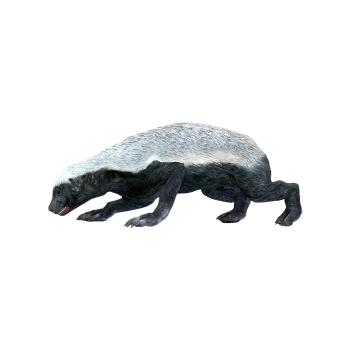
Honey Badger (3D animated model)
194 View

Guinea fowl (3D animated model)
165 View

Wild Goose (3D animated model)
187 View

Red Fox (3D animated model)
155 View
Random Model

Stone Statues of Marta
985 View

Alien sci-fi tropical fish
775 View



Connor three-seat sofa
602 View

Jennings Dog Marble Statue
1090 View

Sculpture: Girl
910 View


Samsung Galaxy Note 10 Mies White
1109 View